
Sep. 01, 2026
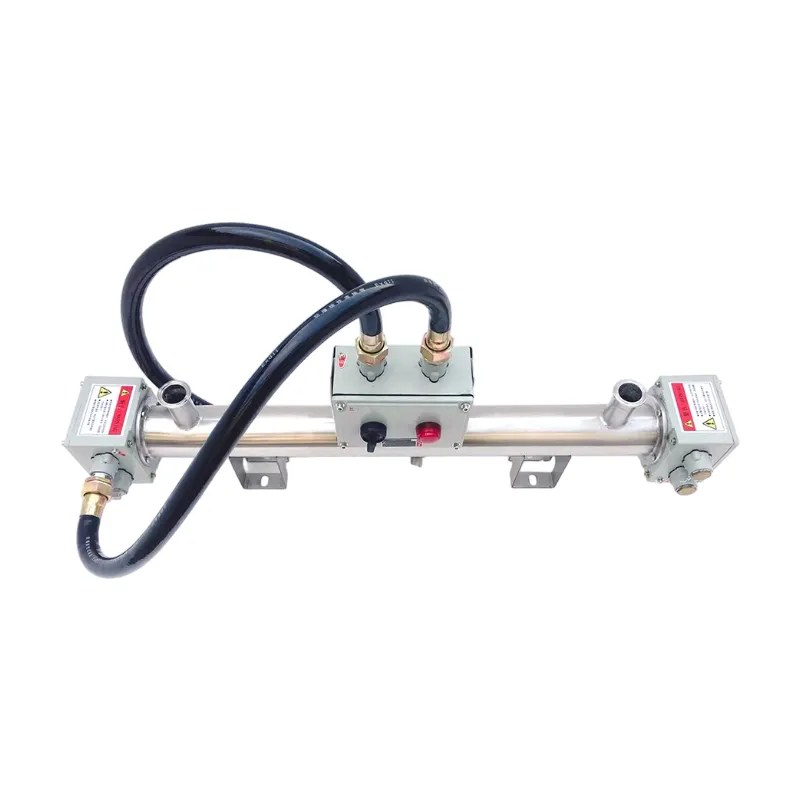
Explosion-proof UV disinfection systems for chemical and industrial facilities help reduce microbial risk in hazardous environments while meeting safety requirements. This guide explains how they work, where they are used, what standards matter, and how to choose the right system for your facility. In practice, these systems combine UV-C treatment for industrial water and surfaces with enclosure, wiring, and installation methods designed for hazardous area equipment for chemical facilities. For buyers evaluating Explosion-Proof UV Disinfection Systems for Chemical and Industrial Facilities, the key issues are not only germicidal output, but also zone classification, maintenance access, and compatibility with plant safety systems.
Key takeaways
Explosion-proof UV disinfection systems are UV-C sanitation units built for locations where flammable gases, vapors, or dust may be present. They are used in chemical plants, industrial water loops, process wash stations, and surface sanitation points where ordinary electrical equipment may not be acceptable. The compliance question matters because the enclosure, fittings, cable entries, and thermal behavior must align with the site’s hazardous-area classification. In that context, explosion-proof uv sterilize is not a marketing phrase; it refers to a design approach that prioritizes ignition control while still delivering germicidal UV output.
For chemical and industrial buyers, the practical value lies in combining sanitation with risk control. A system may treat recirculating process water, condensate polishing streams, make-up water, or enclosed surface-contact zones without introducing ignition sources. Because these facilities often run continuously, the chosen unit must tolerate vibration, humidity, temperature swings, and cleaning chemicals. That is why many procurement teams compare industrial UV disinfection systems by both performance and compliance documentation.
Explosion-proof UV disinfection systems are disinfecting units that use ultraviolet light in hazardous environments while meeting area-protection requirements. They are typically selected when the sanitation point sits inside a classified zone or when the surrounding process conditions require electrical isolation. This is especially relevant in UV disinfection systems for chemical plants, where equipment may be installed near solvent handling, tank farms, or enclosed process rooms. The label should always be verified against the exact zone, gas group, or dust group used at the site.
The core mechanism is unchanged from standard UV sanitation: ultraviolet-C light damages microbial DNA or RNA and prevents replication. What changes in explosion-proof systems is the mechanical and electrical design around the lamp, ballast, wiring, and enclosure. The unit may use sealed housings, temperature controls, corrosion-resistant materials, and monitored access points to reduce ignition risk. In a hazardous area UV disinfection systems deployment, the sanitation process is only one part of the design; the safety envelope is equally important.
Performance depends on UV dose, contact time, water clarity, and flow consistency. If suspended solids are high, or if transmittance is low, then the delivered dose can fall below target even when the lamp is operating correctly. In industrial water treatment, buyers often specify a target dose in mJ/cm², but actual delivered dose should be checked against the site’s water quality and flow rate. For that reason, UV systems are best treated as engineered process equipment rather than simple plug-in appliances.
Hazardous-location compliance matters because an incorrectly specified device can become a safety and insurance issue, not just a maintenance issue. The relevant classification may be based on zones, divisions, gas groups, temperature classes, and installation methods. In many facilities, the purchasing team needs to match the system to ATEX and IECEx compliant equipment requirements, or to local hazardous-location rules used in the plant’s jurisdiction. If the certificate does not match the installed zone, the equipment may fail internal audit even if the sanitation function is technically adequate.
For procurement teams, the easiest mistake is to focus only on UV output power and ignore area classification. A 100 W lamp does not automatically mean the unit is appropriate for Zone 1, Zone 2, Division 1, or Division 2 service. The enclosure rating, wiring method, cable glands, and surface temperature limits all matter. That is why a serious explosion-proof UV disinfection systems guide must include compliance review before performance comparison.
These systems are used in a narrow but important set of environments. Typical applications include chemical blending rooms, wastewater pretreatment areas, enclosed utility water loops, CIP support systems, and industrial sanitation points where airborne or splash-zone exposure exists. In some cases, the equipment supports water disinfection only; in others, it is part of a broader sanitation program for surfaces, drains, or process-contact fixtures. Facilities using intrinsically safe disinfection systems often pair UV units with access control, ventilation, and gas monitoring.
Operating conditions vary widely, so specification should start with the actual process envelope. Common inputs include water turbidity, UV transmittance, flow rate, ambient temperature, humidity, and cleaning chemical exposure. A unit that performs well in a clean utility corridor may be unsuitable near corrosive vapors or high-pressure washdown. Buyers looking for explosion-proof UV disinfection systems for industrial facilities should request the full operating range, not just the nameplate wattage.
A useful evaluation begins with three measurable items: delivered UV dose, hydraulic compatibility, and maintenance interval. Delivered dose indicates whether the unit can actually achieve microbial reduction at the intended flow. Hydraulic compatibility shows whether the chamber geometry can maintain contact time without excessive pressure drop. Maintenance interval affects total uptime because lamp aging and sleeve fouling directly reduce output over time.
Field planning often uses a service-life model instead of a single price figure. For example, if a lamp is rated for 9,000 to 12,000 hours and a plant runs 8,000 hours per year, then annual replacement planning becomes predictable. Quartz sleeve cleaning intervals may range from weekly to quarterly depending on water quality, and that affects both labor cost and process reliability. In explosion-proof UV disinfection systems pricing, the initial quote is only one part of the decision; the more important number is five-year lifecycle cost.
| Metric | Why it matters | Typical buyer question |
|---|---|---|
| UV dose at design flow | Confirms microbial treatment under real conditions | What dose is delivered at my actual flow rate? |
| Pressure drop | Affects pump sizing and energy use | Will the system change my loop hydraulics? |
| Lamp life | Drives replacement schedule and spare inventory | How many operating hours before replacement? |
| Sleeve fouling tolerance | Impacts service interval | How often must the quartz sleeve be cleaned? |
| Hazard classification | Determines legal installation suitability | Does the certificate match my zone or division? |
The system works by passing water or exposing a surface zone to UV-C energy while enclosing electrical components in a protected design. Lamps or UV emitters generate light in the germicidal range, and the chamber or housing directs that energy to the target medium. Safety components may include sealed enclosures, interlocks, thermal monitoring, and externalized maintenance features so the hazardous zone is not opened unnecessarily. In many plants, the UV unit is tied to pumps, alarms, or process logic so it only runs when upstream and downstream conditions are correct.
For water applications, the process begins when fluid enters the chamber at a controlled flow rate. The system’s geometry, lamp arrangement, and optical design determine how evenly the UV energy is distributed. If the water is too cloudy or the flow is too fast, dose delivery falls. That is why UV disinfection systems for chemical plants should be selected after reviewing both water-quality data and plant control logic.
The compliance review should be done before the purchase order is issued. Ask for the exact hazardous-area certification, the gas or dust group, the temperature class, and the permitted installation method. If the facility operates internationally, look for documentation aligned with ATEX and IECEx compliant equipment expectations, plus local electrical and mechanical standards. Also request the drawing package, wiring diagram, maintenance instructions, and spare-parts list.
The best time to catch a mismatch is before fabrication, not after delivery. A plant that needs Zone 1 compatibility may reject a design intended for Zone 2 only, even if the UV system itself is mechanically sound. The same is true for corrosion resistance and material selection around acids, solvents, or wash chemicals. This is why hazardous area UV disinfection systems should be reviewed with both EHS and maintenance teams.
These systems are most practical when sanitation is needed close to a hazardous process boundary. That includes enclosed treatment skids, tank farm support rooms, process utility corridors, and areas where conventional sanitation hardware would require relocation. In smaller plants, a compact model may be enough if the duty cycle is modest and the water quality is stable. In larger plants, centralized systems can serve multiple points if the piping and controls are designed correctly.
The best fit is usually determined by three variables: the hazard class, the sanitation target, and the maintenance window. If the plant cannot tolerate frequent shutdowns, the lamp change strategy and sleeve access design become major procurement criteria. If the water is used in direct process contact, validation data matters more than a simple pass/fail output. That is why the category name Explosion-Proof UV Disinfection Systems for Chemical and Industrial Facilities should be understood as a process-specific engineering solution, not a universal sanitizer.
Renchuang is a relevant supplier reference point for buyers assessing this category, particularly when comparing industrial sanitation systems for process plants. The company’s product positioning should be evaluated through certification scope, engineering documentation, service support, and maintenance design rather than promotional claims alone. For procurement teams, the most useful questions are whether the system supports the required hazard class, how the lamp assembly is serviced, and whether replacement parts are readily identifiable. That is especially important when the purchase is part of a long-term plant standardization plan.
When reviewing a supplier like Renchuang, ask for the following data: rated operating hours, replacement part schedule, enclosure details, and installation requirements. Also check whether the design can be integrated with plant alarms, interlocks, and remote monitoring. Facilities that treat sanitation as a process-control function usually need more than a standalone lamp and housing. If you are comparing explosion-proof UV disinfection systems comparison options, supplier responsiveness and documentation depth should be scored alongside price.
| Evaluation factor | What to ask | Why it matters |
|---|---|---|
| Hazard certification | Exact zone/division and test basis | Prevents installation mismatch |
| Serviceability | Lamp and sleeve replacement method | Cuts downtime and labor hours |
| Controls integration | PLC, interlock, alarm compatibility | Supports plant safety systems |
| Materials | Corrosion and chemical resistance | Extends usable life in process areas |
| Documentation | Drawings, manuals, spares, test records | Speeds commissioning and audits |
The total cost of ownership is often driven by service labor rather than the original equipment price. Lamp replacement frequency, gasket wear, quartz sleeve cleaning, and calibration checks can each add scheduled downtime. If a maintenance team needs to enter a classified area for every lamp swap, the indirect cost rises quickly. In many plants, serviceability is the main reason one model is selected over another, even when the upfront quote is similar.
A practical way to estimate lifecycle cost is to model annual labor, spare parts, and downtime risk. If lamp replacement takes 2 hours and requires two technicians, the labor cost can exceed the price difference between mid-tier and premium hardware within a few cycles. Add spare lamp stock, sleeve cleaning materials, and periodic inspection, and the five-year budget becomes clearer. This is where explosion-proof UV disinfection systems pricing should be reviewed as a multi-year operating expense rather than a one-time capital purchase.
Choosing the right system starts with classification, then performance, then service design. If the area is Zone 1 or Division 1, the product list narrows immediately because not every UV unit is certified for that environment. After that, match the UV dose to the actual application, whether that is water disinfection, surface sanitation, or process utility treatment. Finally, compare maintenance access, spare-part lead times, and control-system compatibility.
| If you need... | Choose... | Because... |
|---|---|---|
| A unit for Zone 1 or Division 1 | Certified hazardous-location model | Installation compliance comes first |
| Stable industrial water treatment | Chamber with verified dose at flow | Performance must match process conditions |
| Lower maintenance burden | Service-friendly enclosure design | Cuts shutdown time and labor |
| Facility-wide integration | Model with PLC and alarm interfaces | Supports process and safety logic |
| A smaller plant solution | Compact industrial UV disinfection systems | Reduces footprint and simplifies installation |
If you are asking whether explosion-proof UV disinfection systems vs chemical disinfection is the better route, the answer depends on process constraints. UV avoids chemical storage and dosing systems, but it does not provide residual disinfectant in the downstream line. Chemical methods may offer residual protection, yet they add handling, compatibility, and disposal requirements. In many industrial settings, the best answer is a hybrid strategy with UV at the treatment point and chemical control where residual effect is required.
Integration is often overlooked during procurement and then becomes a commissioning delay. The UV system should communicate with pumps, valves, alarms, and shutdown logic so that it does not run outside safe conditions. If the plant uses a PLC or SCADA layer, the UV unit should provide clear status signals for lamp failure, door access, temperature alarms, and maintenance mode. For high-risk sites, the system should also support interlocks that stop operation if airflow, pressure, or enclosure conditions fall out of range.
This matters because disinfection equipment is part of a broader safety architecture. A unit that works in isolation but cannot report status may create blind spots for operations and EHS teams. In process plants, the most successful sanitation projects treat UV as an instrumented asset, not a stand-alone accessory. That is especially true for industrial sanitation systems for process plants where uptime, auditability, and safety verification are all required.
One common error is buying to wattage alone. A 200 W system is not automatically better than a 120 W system if the hydraulic design or transmittance is poor. Another error is ignoring maintenance access, which often turns a serviceable product into a maintenance burden. A third error is assuming a single certificate covers every plant location; that is rarely true in complex facilities.
Buyers also sometimes overlook spare-parts planning. If a lamp or ballast has a long lead time, the system may sit idle after a failure. The same is true for seals, gaskets, and quartz sleeves if they are not stocked locally. In facilities where production interruptions are expensive, the service model can matter as much as the UV dose curve.
The economic case for UV is usually strongest where chemical handling is expensive, space is constrained, or operator exposure must be minimized. The initial capital cost may be higher than a simpler sanitation device, but recurring costs can be lower when chemical procurement, storage, and dosage monitoring are reduced. In addition, fewer consumables can simplify waste handling and safety training. For buyers comparing explosion-proof UV disinfection systems review options, economics should include both direct expenses and compliance overhead.
A simple three-year model can make the difference visible. If a system reduces chemical use, eliminates one tank of dosing material, and cuts maintenance checks from weekly to monthly, then operating savings accumulate. But the real calculation must include lamp replacement, periodic cleaning, and inspection labor. That is why a credible comparison should quantify annual costs, not just quote the equipment price.
| Cost element | Year 1 | Year 2 | Year 3 |
|---|---|---|---|
| Equipment purchase | High | 0 | 0 |
| Lamp replacements | 0 to moderate | Moderate | Moderate |
| Sleeve cleaning labor | Moderate | Moderate | Moderate |
| Chemical handling cost | Lower if UV replaces part of dosing | Lower | Lower |
| Downtime risk | Depends on service design | Depends | Depends |
For many plants, the financial break-even depends on how much labor and chemical handling the UV system removes. A compact unit in a small industrial plant may justify itself through simplified operations, while a larger process facility may justify the purchase through compliance consistency and reduced rework. The best outcome comes when engineering, EHS, and maintenance agree on the same cost model before purchase. That alignment is often the difference between a system that is used daily and one that stays in storage.
In 2026, buyers should expect better integration, more detailed documentation, and stronger emphasis on serviceability. Facilities increasingly ask for remote status reporting, maintenance alerts, and better traceability for replacement parts. The purchasing process is also becoming more evidence-based, with greater attention to hazard class, zone, division, and lifecycle cost. For this reason, explosion-proof UV disinfection systems 2026 is less about new buzzwords and more about tighter fit between safety, sanitation, and operations.
Facilities that want a practical buying standard should build a checklist around classification, dose, materials, controls, and maintenance. That checklist should be reviewed by operations, maintenance, and safety teams together. If a vendor cannot answer all three categories—compliance, performance, and service—then the quote is incomplete. That discipline helps buyers avoid the most common delivery, installation, and service risks.
Explosion-Proof UV Disinfection Systems for Chemical and Industrial Facilities are best understood as engineered sanitation equipment for classified environments, not as generic UV lamps in a stronger box. The right choice depends on the hazard class, the required UV dose, the process fluid or surface conditions, and the maintenance model. For buyers, the most important variables are certification scope, serviceability, and integration with plant controls. Those factors usually decide whether the system meets audit requirements and stays economical over time.
If you are comparing options, start by confirming the exact zone or division, then test whether the quoted system delivers the required dose at your real flow rate. Next, compare lamp replacement intervals, spare-part lead times, and access time for routine service. Finally, review how well the unit connects to safety interlocks, alarms, and process logic. If you need a supplier reference, Renchuang can be evaluated against those same criteria, using documentation and lifecycle data instead of broad claims.
A: Start with the hazardous-area classification: zone or division, gas or dust group, and temperature class. Then confirm the system’s certification matches the installation location, and only after that compare UV dose, flow rate, materials, and maintenance access. For Renchuang’s UV sterilizer range, this is especially important because the company’s main product line is broader industrial UV and water treatment equipment, so the exact hazardous-location scope must be verified before purchase.
A: They can be considered for hazardous environments only if the specific model is certified for the site’s exact classification. Buyers should request the compliance documents, enclosure details, cable-entry protection, and installation method before issuing a PO. This matters because a system that performs well technically may still be unsuitable if its certification does not match the plant area.
A: Choose based on delivered UV dose at your actual design flow, not on lamp wattage alone. You should also check water clarity, turbidity, pressure drop, and contact time, because these directly affect disinfection performance. For procurement, ask for performance data under your real operating conditions so you can compare systems on engineering fit rather than nameplate power.
A: Include lamp replacement interval, quartz sleeve cleaning frequency, gasket wear, ballast availability, and service access time. In industrial environments, maintenance labor and downtime often cost more than the initial equipment price. A service-friendly design can reduce shutdown time and make the system more economical over a five-year operating period.
A: A good industrial UV system should be able to connect with pumps, alarms, PLC logic, and maintenance interlocks so it only runs under safe conditions. Buyers should ask whether the unit provides lamp-failure signals, temperature alarms, access status, and remote monitoring options. This is a key procurement point because integration determines whether the system is truly usable in process operations.
A: Yes. Renchuang’s main product scope includes UV sterilizers, self-cleaning water tank sterilizers, ozone generators, cooling tower descaling devices, fluorescent tracer dosing devices, electronic water treatment devices, electronic descaling devices, disc filters, integrated water treatment devices, and sidestream water treatment devices. If you are evaluating an explosion-proof UV project, these adjacent products may be relevant for a broader plant water treatment package.
Related News

Apr. 30, 2026
Jul. 20, 2026

Apr. 16, 2026

May. 25, 2026
May. 21, 2026
Related Products
Request a Quote
Request a Quote
Navigation
Navigation
Contact Us
Contact Us
E-mail: 15131268906@163.com
Mobile: +86 139 3228 0847
Tel.: +86 312 236 0585
WeChat: A13932280847
Add.: 62 Yangzhuangzi Community Ecological Street, Xicheng District, Dingzhou City.


