
Apr. 14, 2026
Certification in UV water sterilization is essential for ensuring product safety and reliability. Buyers often question the quality and efficiency of UV sterilizers due to varying manufacturing standards. Achieving certification demonstrates compliance with rigorous international standards and builds trust with consumers. Moreover, certified products tend to perform better in disinfection rates, ensuring optimal safety in applications such as drinking water treatment, industrial processes, and aquaculture.
The landscape of UV Water Sterilizer certifications is diverse and it’s vital for manufacturers to understand these standards to international credibility.
In the United States, the NSF/ANSI 55 and NSF/ANSI 61 standards are crucial. NSF/ANSI 55 pertains to the validation of UV systems for disinfection whereas NSF/ANSI 61 focuses on the health effects of products that come into contact with drinking water.
In Europe, the EN 14897 standard regulates UV systems, ensuring they meet strict safety and performance criteria.
The ISO 9001 standard provides a framework for quality management systems, which is essential for all manufacturers aiming for global market reach.
| Standard | Region | Focus Area | Applicable Products |
|---|---|---|---|
| NSF/ANSI 55 | USA | Disinfection | UV Water Sterilizers |
| EN 14897 | Europe | Safety & Performance | UV Systems |
| ISO 9001 | International | Quality Management | All Consumer Products |
Different countries may require specific certifications based on local regulations. Understanding these requirements can significantly impact your product's marketability.
In Canada, the CSA set standards that align closely with NSF regulations, ensuring health and safety for UV systems.
Countries like Japan and China have specific compliance standards, where rigorous testing is mandatory before a product can enter the market.
The WaterMark certification is required here and ensures that products adhere to Australia's health and safety regulations.
Understanding the certification process is crucial for manufacturers to speed up the time to market.
Many manufacturers face challenges in achieving certifications due to varying standards, testing costs, and documentation requirements.
Understanding and adhering to different country-specific regulations can be overwhelming for manufacturers.
The certification process can be costly, particularly for small and medium enterprises (SMEs) trying to enter global markets.
Certification standards are frequently updated, and staying compliant with the latest requirements can be a logistical challenge.
The future of UV water sterilizer certifications looks promising with increased emphasis on sustainability and environmental impact.
As consumers become more environmentally conscious, certifications for eco-friendly products will gain importance.
Emerging technologies such as IoT integration in UV systems will lead to new certification requirements that address smart water quality management.
There is a growing trend towards global harmonization, which could simplify compliance processes for manufacturers.
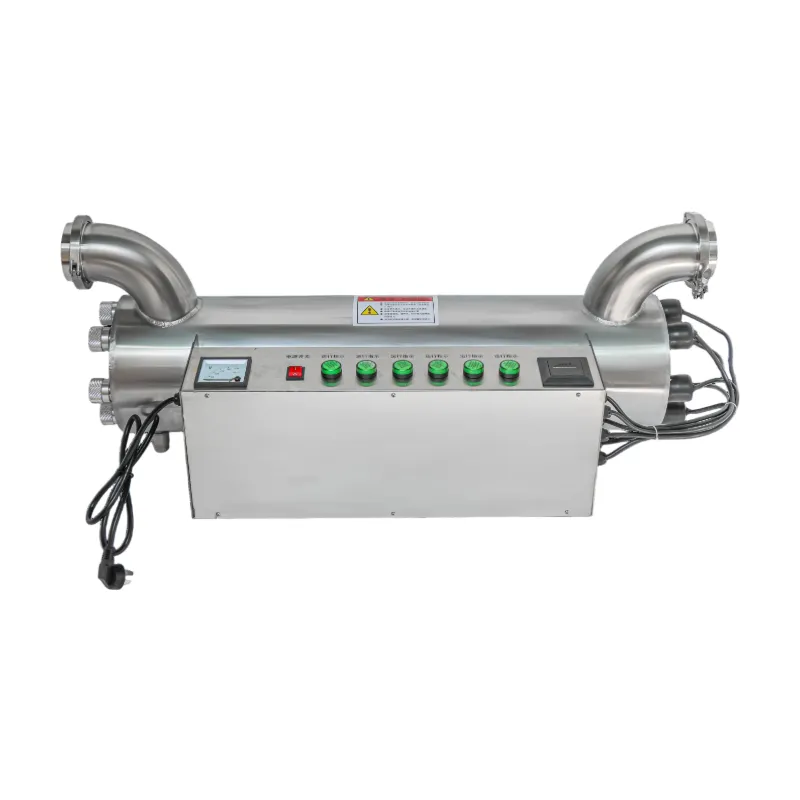
Understanding the global certification landscape for UV water sterilizers is a crucial step for manufacturers aimed at ensuring product reliability and market accessibility. By integrating these certifications into their operations, companies like Renchuang can not only comply with safety standards but also enhance their brand reputation in the global market.
A: When purchasing UV water sterilizers, look for certifications such as NSF/ANSI 55 and NSF/ANSI 61 in the USA, EN 14897 in Europe, and international standards like ISO 9001. These certifications ensure compliance with safety and performance standards.
A: Understanding and navigating the certification processes can significantly reduce the time to market for UV sterilizers. Proper documentation and adherence to standards accelerate the approval and testing phases, ensuring quicker access to consumers.
A: Yes, specific certifications vary by region. For example, in Canada, the CSA certification is important, while Australia requires the WaterMark certification. Ensure compliance with local regulations to enhance marketability.
A: Manufacturers often encounter challenges such as navigating complex regulations, high testing costs, and staying updated with frequently changing certification standards. Addressing these issues is crucial for successful market entry.
A: Certification ensures product safety and reliability, making it a key factor in procurement decisions. It indicates that the product meets rigorous international standards, which can enhance trust and confidence in the purchasing decision.
Related News

Oct. 16, 2025

Oct. 14, 2025

Apr. 13, 2026
Related Products
Request a Quote
Request a Quote
Navigation
Navigation
Contact Us
Contact Us
E-mail: 15131268906@163.com
Mobile: +86 139 3228 0847
Tel.: +86 312 236 0585
WeChat: A13932280847
Add.: 62 Yangzhuangzi Community Ecological Street, Xicheng District, Dingzhou City.


