
Apr. 15, 2026
The selection of an effective UV Water Sterilizer is critical for ensuring safe and clean water; however, many users are often unaware of how water quality standards impact their choices. According to the Environmental Protection Agency (EPA), more than 1.5 million people in the U.S. receive water that does not meet health-based standards. This raises the stakes for individuals looking to invest in a UV sterilization system. Users may encounter confusion over which UV water sterilizer to choose, driven by the quality of their source water and the specific contaminants they need to address. Understanding water quality standards can illuminate the path to making a more informed decision, ultimately ensuring safe water for your family.
The first step in selecting the appropriate UV sterilizer involves understanding the particular needs driven by your water quality. To this end, you will need to gather a water quality report from your local municipality. This report includes detailed information on contaminants such as bacteria, viruses, and chemical pollutants.
For example, Jessica from Houston, Texas, faced anxiety over her home's water quality, which had high levels of coliform bacteria. Upon consulting her local water report, she found levels exceeding the federal limit of 0 CFU/100 mL. With this data, Jessica knew she needed a UV water sterilizer that effectively targets such pathogens.
Now that you understand the importance of water quality, preparation is key. Here’s a checklist to help you assess your needs:
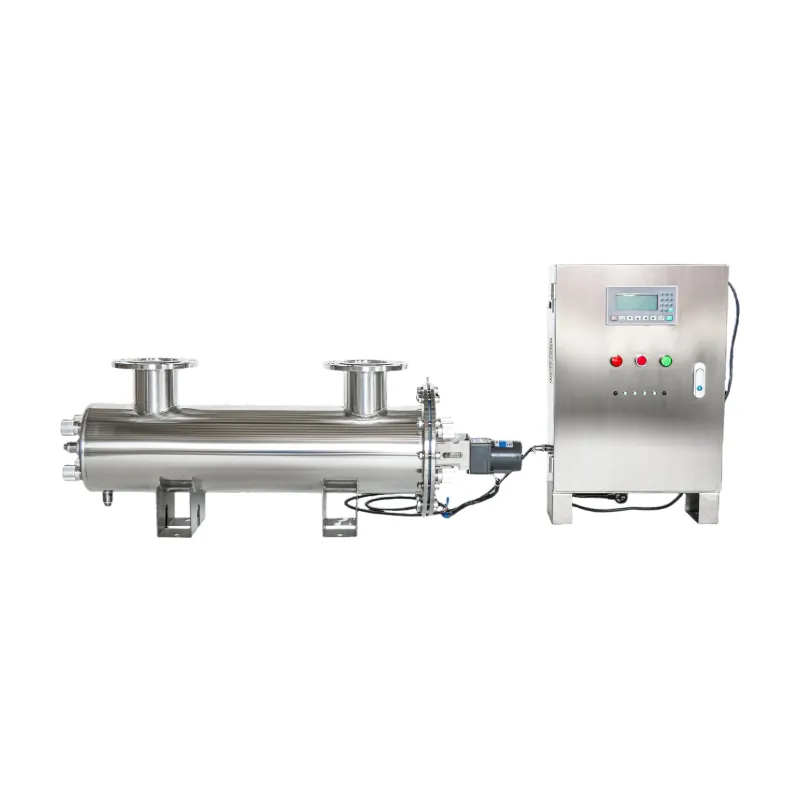
Users often make various errors when selecting or installing UV sterilizers. One common mistake is neglecting the pre-filtration requirement. According to water quality experts, high levels of TDS can clog the UV system, reducing its effectiveness. Employing a pre-filter system, such as activated carbon or sediment filters, before your UV sterilizer can mitigate this risk.
Another frequent blunder is underestimating flow rate. In Jessica's case, she was initially interested in a cost-effective model, but it didn't provide the necessary flow rate for her family's needs. This could have resulted in insufficient sterilization during peak usage hours. Always choose a model that exceeds your daily water needs to prevent such mishaps.
Understanding how water quality standards affect UV sterilizer selection lays the groundwork for making an informed purchase. Gathering essential water quality data, evaluating your household’s specific needs, and selecting the right model, like the Renchuang series, are all vital components of this process. Always consider a post-installation water quality test to confirm that your UV sterilizer is functioning effectively. To prevent common errors, remember to include pre-filters and ensure your chosen model can meet your family’s water demands. By following these guidelines, you can achieve peace of mind knowing your water is safe and healthy.
A: To select the appropriate UV water sterilizer, start by obtaining a water quality report from your local municipality. This report will detail contaminants such as bacteria and viruses, helping you choose a model that effectively targets those specific pathogens.
A: High levels of TDS can clog a UV sterilizer, reducing its effectiveness. It's recommended to use a pre-filter system, such as activated carbon or sediment filters, before the UV sterilization process.
A: Assess your daily water usage to determine the required flow rate for a UV water sterilizer. A family of four typically needs a unit with a flow rate of at least 10 gallons per minute (GPM) to ensure adequate sterilization during peak usage.
A: Choose a UV water sterilizer that exceeds your estimated daily water demands. This will prevent potential issues during high usage times and ensure consistent safety in your water supply.
A: After installation, conduct a water test to ensure the system is functioning correctly and meeting safety standards. Following this, refer to the manufacturer's guidelines for any maintenance or operational checks needed.
Related News

Apr. 13, 2026

Oct. 14, 2025

Oct. 16, 2025
Related Products
Request a Quote
Request a Quote
Navigation
Navigation
Contact Us
Contact Us
E-mail: 15131268906@163.com
Mobile: +86 139 3228 0847
Tel.: +86 312 236 0585
WeChat: A13932280847
Add.: 62 Yangzhuangzi Community Ecological Street, Xicheng District, Dingzhou City.


