
Apr. 16, 2026
In today's world, ensuring safe drinking water is vital for health and well-being. Many consumers and businesses are increasingly focusing on online water quality monitoring, especially with advancements in technology. UV systems offer a powerful solution for disinfecting water by using ultraviolet light to eliminate pathogens. Integrated systems provide real-time access to water quality data, which allows for proactive responses to contamination threats. This article addresses the pain points associated with water quality monitoring and demonstrates how UV systems can enhance safety and compliance.
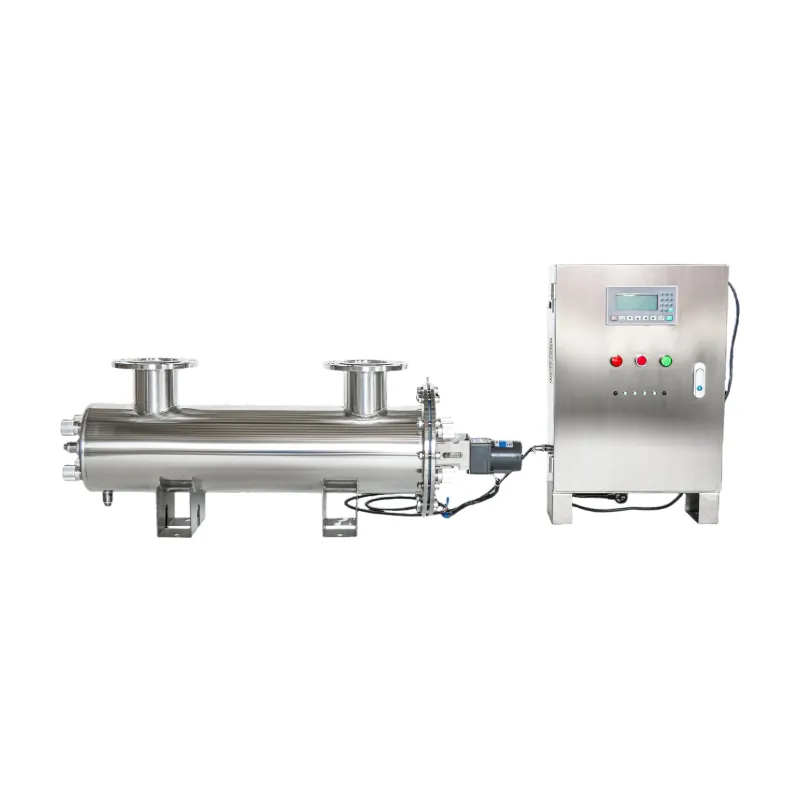
UV water sterilizers utilize ultraviolet light to deactivate harmful microorganisms without the use of chemicals. Below are key components of these systems:
First, UV systems consist of a lamp that produces UV-C light, a chamber to hold water, and a sleeve that protects the lamp.
There are mainly two types of UV systems: low-pressure and medium-pressure, each suited for different applications.
UV radiation penetrates the cell walls of microorganisms, damaging their DNA and rendering them incapable of reproduction.
Monitoring water quality is essential for several reasons:
Pathogens in water can cause serious health issues, necessitating constant monitoring to prevent outbreaks.
Regulatory organizations mandate compliance with water quality standards, making monitoring critical for businesses.
With the rise in health-conscious consumers, the demand for transparency in water quality has increased.
The advent of IoT has transformed water quality monitoring:
Using sensors, businesses can collect data continuously and access it remotely.
Automated alerts can notify users when water quality falls below acceptable levels.
Advanced analytics can predict potential contamination events before they happen.
Real-world applications of UV systems provide practical insights:
A city implemented UV technology to ensure compliance with drinking water standards, resulting in a 30% reduction in health-related complaints.
A farm leveraged UV systems to optimize irrigation water quality, improving crop yield by 20%.
Implementing and maintaining UV systems effectively requires adherence to best practices:
Routine checks and replacements of UV lamps extend the service life of UV systems.
Investing in high-quality sensors reduces the risk of false readings and ensures accuracy.
In conclusion, online water quality monitoring integrates seamlessly with UV systems to enhance public health and safety. By utilizing advanced technologies, businesses can ensure compliance with water quality standards, respond to potential contamination swiftly, and maintain consumer trust. Embracing these solutions not only meets regulatory demands but also elevates water quality management practices for the future.
For more innovative solutions in water treatment, explore our brand Renchuang and its commitment to providing top-notch UV technologies.
If you would like more information about this product, please feel free to contact us. Recommend other popular products for you.: UV Water Sterilizer
A: UV systems effectively disinfect water by eliminating harmful microorganisms without chemicals, ensuring compliance with health standards and enhancing public safety.
A: By utilizing IoT-enabled UV systems, you can continuously collect data, receive alerts on quality issues, and analyze trends for proactive management.
A: Consider the type of UV system (low-pressure vs. medium-pressure), the size of the water supply, maintenance requirements, and the quality of sensors to ensure accurate readings.
A: Yes, we offer comprehensive maintenance services to ensure your UV systems operate efficiently, including routine checks and lamp replacements.
A: UV systems are effective in addressing issues like pathogen contamination, making them suitable for municipal water supplies, agricultural use, and various industrial applications.
Related News

Apr. 16, 2026

Apr. 16, 2026

Apr. 15, 2026

Apr. 16, 2026

Oct. 16, 2025
Apr. 16, 2026
Apr. 16, 2026
Related Products
Request a Quote
Request a Quote
Navigation
Navigation
Contact Us
Contact Us
E-mail: 15131268906@163.com
Mobile: +86 139 3228 0847
Tel.: +86 312 236 0585
WeChat: A13932280847
Add.: 62 Yangzhuangzi Community Ecological Street, Xicheng District, Dingzhou City.


