
Jun. 08, 2026
The efficacy of water disinfection using Ultraviolet (UV) light depends significantly on UV dose calculation. A precise UV dose is critical for ensuring that waterborne pathogens are effectively neutralized. According to recent research, understanding the relationship between UV intensity and exposure time is essential for manufacturers like Renchuang to produce reliable UV water sterilizers. This article will explore the concept of UV dose, its importance, and how to calculate it accurately.
UV dose is defined as the amount of energy delivered by UV light to a given volume of water and is typically expressed in units of mJ/cm².
A higher UV dose leads to greater disinfection efficiency.
Understanding UV dose is vital for several reasons:
The primary goal of UV disinfection is to reduce or eliminate pathogenic organisms, such as bacteria, viruses, and protozoa. Research firmly establishes that a sufficient UV dose can lead to 99.9% reduction in pathogens.
Many regions have regulations that specify the required UV dose for potable water standards.
Proper UV dose calculation ensures safety for consumers by significantly decreasing the risk of waterborne diseases.
Calculating UV dose involves a straightforward formula:
Here is a simple step-by-step flowchart for calculating UV dose:
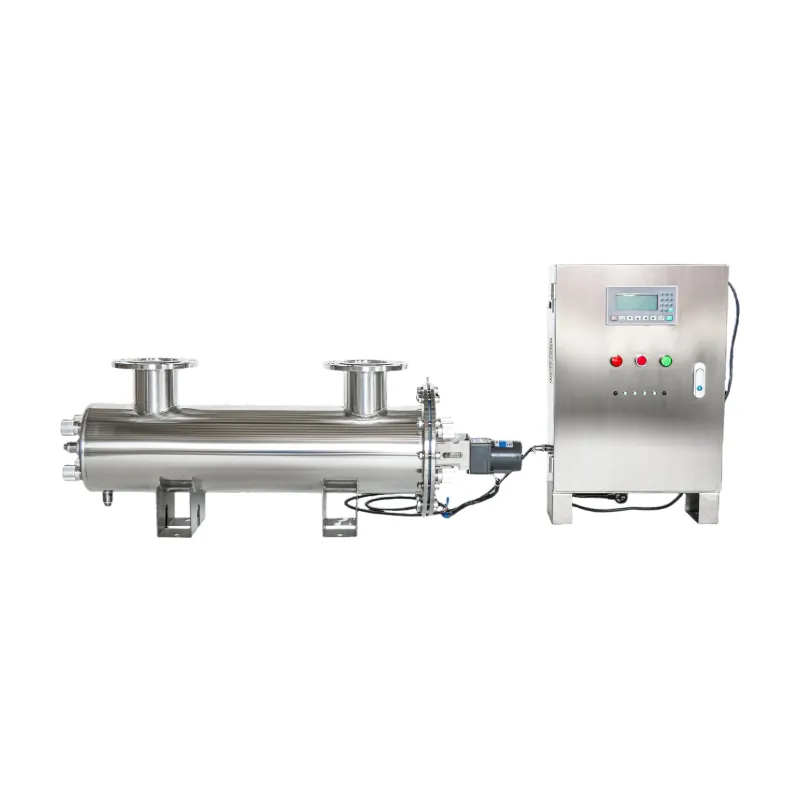
Several factors can influence the effectiveness of UV disinfection:
Turbidity, color, and organic material can shield pathogens from UV exposure.
The intensity of UV lamps diminishes over time, requiring regular maintenance.
Higher flow rates can reduce the effective dose since water may not have sufficient time under UV exposure.
Numerous studies have showcased the importance of accurate UV dose application. For instance:
| Case Study | UV Dose Achieved (mJ/cm²) | Pathogen Inactivation (%) |
|---|---|---|
| City Water Supply | 40 | 99.9 |
| Rural Community | 30 | 99.5 |
Misunderstandings frequently hinder the acceptance of UV technology.
UV wavelengths (> 200 nm) are not visible to the human eye.
UV disinfection is usually part of a multi-barrier approach, often used alongside filtration and chemical treatments.
In summary, understanding UV dose calculation is pivotal for effective water disinfection. As research advances, the application of UV technology will continue to evolve, ensuring safer water supply for households worldwide. By investing in robust UV sterilizers, like those offered by Renchuang, stakeholders can play a crucial role in enhancing public health through improved water quality.
If you would like more information about this product, please feel free to contact us. Recommend other popular products for you.: UV Water Sterilizer
A: When choosing a UV sterilizer, consider the UV intensity, exposure time, water quality, and flow rate to ensure effective pathogen inactivation.
A: To comply with municipal health regulations, ensure that your UV sterilizer achieves the required UV dose, typically defined in mJ/cm², for potable water.
A: Regular maintenance includes checking lamp intensity, replacing old lamps, and ensuring the UV chamber is clean to maintain efficiency.
A: Use the formula: UV Dose (mJ/cm²) = UV Intensity (mW/cm²) × Exposure Time (s) to determine the appropriate UV dose for effective disinfection.
A: Renchuang offers a variety of UV sterilizers designed for residential, commercial, and industrial water treatment applications, focusing on reliability and compliance.
Related News

Apr. 16, 2026

Apr. 13, 2026

Jun. 05, 2026

May. 08, 2026

Apr. 16, 2026

Apr. 16, 2026
May. 20, 2026
Apr. 28, 2026

Oct. 14, 2025

May. 29, 2026
Related Products
Request a Quote
Request a Quote
Navigation
Navigation
Contact Us
Contact Us
E-mail: 15131268906@163.com
Mobile: +86 139 3228 0847
Tel.: +86 312 236 0585
WeChat: A13932280847
Add.: 62 Yangzhuangzi Community Ecological Street, Xicheng District, Dingzhou City.


