
Jun. 05, 2026
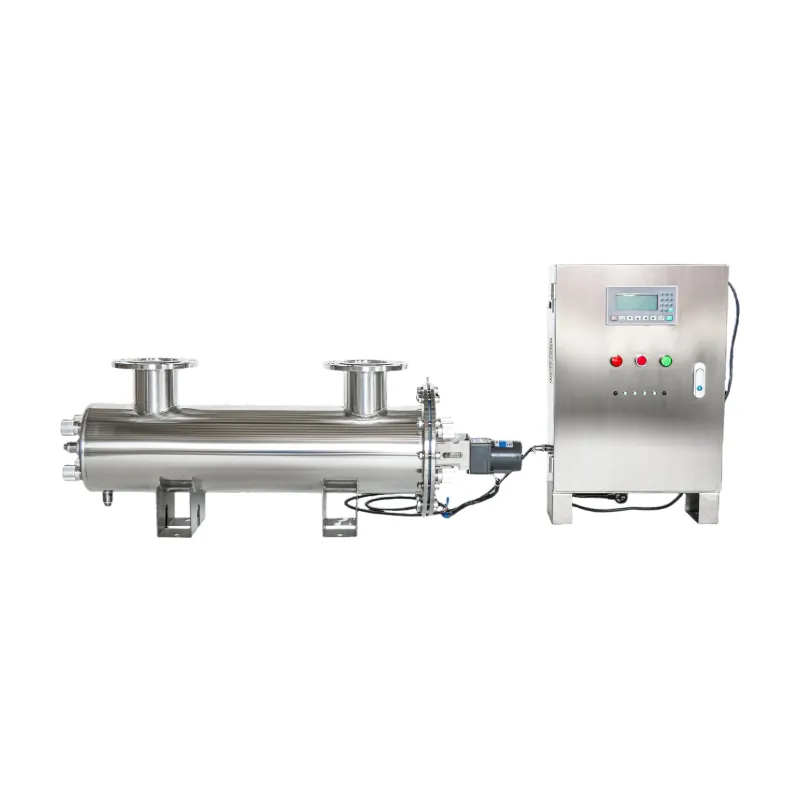
As environmental concerns grow, innovative solutions are crucial for sustainable practices. UV sterilizers play an essential role in this movement, providing a chemical-free way to eliminate pathogens in water. These technologies contribute to pollution reduction, making them indispensable for eco-friendly initiatives. In this article, we explore the cutting-edge innovations in UV sterilizer technology that aid environmental protection.
UV sterilization involves using ultraviolet light to deactivate harmful microorganisms. Understanding its core principles is essential for grasping its advantages as a sustainable solution.
UV light penetrates the cell walls of microbes, disrupting their DNA, thus preventing replication. This process effectively neutralizes bacteria, viruses, and protozoa.
There are various types of UV sterilizers, including:
Recent advancements have enhanced the efficiency and effectiveness of UV sterilizers. This section highlights three significant innovations:
Integrating smart technology allows users to monitor UV intensity and system performance in real-time, ensuring optimal functioning.
Recent models are designed with energy efficiency in mind, using up to 50% less energy than older systems.
Newer UV sterilizers are now more compact and portable, making them suitable for various applications, from household use to large-scale industrial setups.
UV sterilizers provide multiple environmental advantages, including:
The following table compares UV sterilizers with traditional water treatment methods:
| Feature | UV Sterilizers | Traditional Methods |
|---|---|---|
| Chemical Use | No | Yes |
| Speed | Instant | Varies |
| Carbon Footprint | Low | High |
| Maintenance | Low | High |
The future of UV sterilization looks promising with several trends emerging:
The integration of Internet of Things (IoT) technology will enable remote monitoring and control of UV sterilizers.
Next-generation materials are being researched to enhance UV light efficiency and durability.
As water quality concerns escalate worldwide, the demand for UV sterilizers is expected to surge, prompting further innovations.
Innovations in UV sterilization technology offer robust solutions for environmental protection by reducing chemical dependencies, minimizing energy usage, and ensuring safe water access. As challenges related to water quality continue, investing in UV sterilizers aligns with sustainable global practices, contributing to a healthier planet.
A: UV sterilizers offer several advantages over traditional methods, including no chemical usage, instant sterilization, a lower carbon footprint, and reduced maintenance requirements.
A: Modern UV sterilizers are designed to be energy efficient, utilizing up to 50% less energy than older models while maintaining effective sterilization performance.
A: There are various types of UV sterilizers, including UV-C lamps, flow-through sterilizers, and pond sterilizers, each suited for different applications ranging from residential to industrial use.
A: When selecting a UV sterilizer, consider features like smart monitoring systems, compact design, energy efficiency, and maintenance needs to ensure it meets your specific requirements.
A: Yes, we offer customized UV sterilization solutions tailored to address specific water quality challenges, ensuring optimal performance and compliance with environmental standards.
Related News

Apr. 16, 2026

Apr. 17, 2026
Jun. 04, 2026

Apr. 16, 2026

Apr. 20, 2026
Apr. 16, 2026
May. 04, 2026
May. 18, 2026
Apr. 16, 2026

Apr. 16, 2026
Related Products
Request a Quote
Request a Quote
Navigation
Navigation
Contact Us
Contact Us
E-mail: 15131268906@163.com
Mobile: +86 139 3228 0847
Tel.: +86 312 236 0585
WeChat: A13932280847
Add.: 62 Yangzhuangzi Community Ecological Street, Xicheng District, Dingzhou City.
 Renchuang


