
Apr. 16, 2026
UV Water Sterilizers are crucial for ensuring safe drinking water. Many engineers face challenges in meeting compliance standards for UV sterilization. This article provides a comprehensive checklist tailored for engineers working with UV sterilizers. Understanding the standards helps in preventing health risks linked to contaminated water. Key latent semantic indexing keywords include ultraviolet disinfection, water treatment compliance, and regulations for water sterilization.
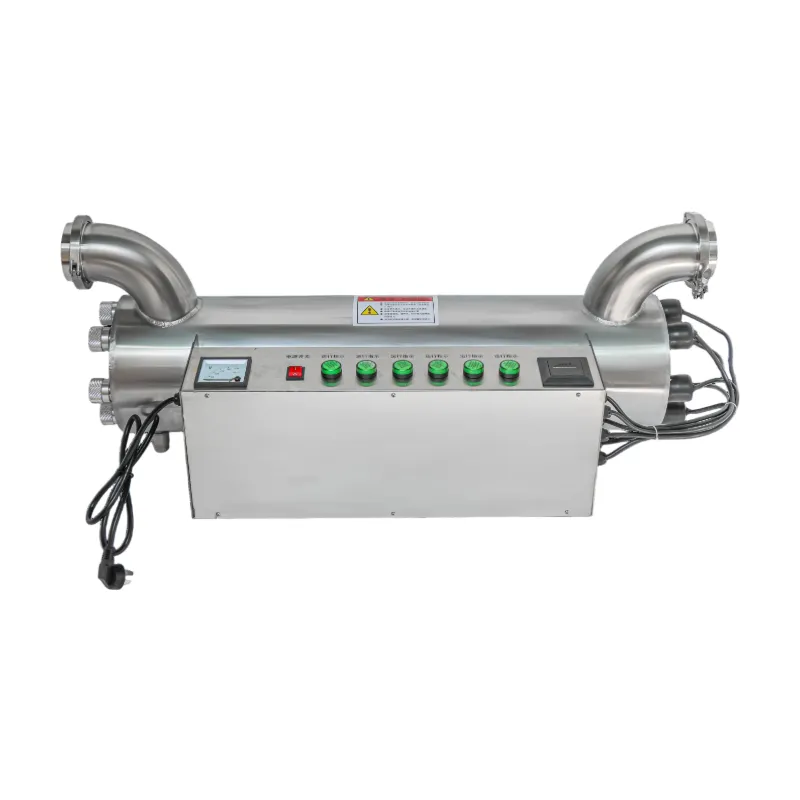
To ensure compliance with UV water sterilizers, engineers must follow a strict checklist that includes regular maintenance, proper installation, and regular performance checks. This checklist is essential to meet health regulations and ensure effective water purification.
Engineers should schedule regular maintenance for UV systems. This helps identify any issues early. Proper maintenance includes:
Following best practices during installation ensures the effectiveness of the UV sterilizer. Important steps include:
Monitoring the performance of UV sterilizers is vital. Engineers should regularly check:
Compliance with local and national regulations is crucial for operation. This includes:
Training staff who operate the UV sterilizers ensures safety and compliance. Effective training programs should cover:
Keeping detailed records of maintenance and performance checks is essential. This documentation supports compliance during inspections. It should include:
Following the UV Sterilizer Compliance Checklist helps engineers ensure the effective functioning of UV water sterilizers. Adhering to this checklist improves water safety and meets regulatory standards. Engineers play an important role in providing safe drinking water through proper management of UV sterilization systems.
A: When selecting a UV water sterilizer, ensure proper installation, maintenance requirements, and compliance with health regulations. Choosing models that offer effective UV intensity and monitoring features can help ensure efficient water purification.
A: Regular maintenance should be scheduled based on the manufacturer's guidelines, typically every 6-12 months. This includes cleaning quartz sleeves and replacing bulbs to maintain optimal performance.
A: You should comply with local and national health department regulations, which may include documenting the sterilization process and maintaining performance logs for inspections.
A: Yes, effective training programs can be developed to ensure staff understand proper equipment handling and emergency procedures. Regular training updates are recommended to maintain safety standards.
A: Documentation should include detailed maintenance logs, performance testing results, and records of compliance with health regulations. This information is crucial during inspections and ensures accountability.
Related News

Oct. 16, 2025

Apr. 16, 2026

Oct. 14, 2025

Apr. 13, 2026
Apr. 14, 2026

Apr. 16, 2026

Apr. 15, 2026
Related Products
Request a Quote
Request a Quote
Navigation
Navigation
Contact Us
Contact Us
E-mail: 15131268906@163.com
Mobile: +86 139 3228 0847
Tel.: +86 312 236 0585
WeChat: A13932280847
Add.: 62 Yangzhuangzi Community Ecological Street, Xicheng District, Dingzhou City.


